Couples Counselling in Calgary
Reconnect, rebuild trust, and rediscover the strength of your relationship.
Relationships are among the most meaningful parts of our lives, but even strong relationships can experience periods of disconnection, conflict, uncertainty, and emotional distance.
Perhaps you and your partner keep having the same arguments without finding a resolution. Maybe communication has become strained, intimacy has faded, or you feel more like roommates than partners. You may be struggling to rebuild trust after a betrayal, or navigating life changes that have placed unexpected pressure on your relationship.
Sometimes the challenges are obvious. Other times, you simply know that something between you no longer feels the way it once did.
At Rebecca Teebay-Webb & Associates, we offer compassionate, practical couples counselling in Calgary to help partners better understand one another, navigate challenges, and strengthen their connection.
Our couples therapist, Julie Hicks, MSW, Registered Social Worker, brings over 25 years of professional experience and a collaborative, compassionate approach to helping couples move toward healthier, more fulfilling relationships.
You don't need to wait until your relationship reaches a crisis to seek support.
When Might Couples Counselling Help?
Every relationship experiences challenges. Differences in personality, communication styles, emotional needs, family backgrounds, and life experiences can sometimes create patterns that are difficult to change without support.
Couples often seek counselling when they experience:
- Frequent arguments or unresolved conflict
- Communication difficulties or feeling misunderstood
- Emotional distance or loss of connection
- Reduced intimacy, affection, or closeness
- Broken trust, infidelity, or betrayal
- Resentment, criticism, defensiveness, or withdrawal
- Parenting disagreements or family stress
- Financial pressures or differences in priorities
- Major life transitions, grief, or health challenges
- Differences in emotional needs or attachment styles
- Difficulty balancing independence and togetherness
- Uncertainty about the future of the relationship
Some couples arrive feeling deeply distressed. Others simply want to strengthen an already meaningful relationship.
Both are valid reasons to seek support.
Understanding Relationship Patterns
Many relationship difficulties are not caused by a lack of love or commitment.
Instead, couples can become caught in recurring patterns of interaction that leave both partners feeling hurt, frustrated, or disconnected.
For example, one partner may seek reassurance or connection through repeated conversations, while the other withdraws because those conversations feel overwhelming or critical.
The more one partner pursues, the more the other may pull away. Both can end up feeling misunderstood, rejected, or alone.
Over time, these patterns can become automatic.
Couples counselling helps you recognize these cycles and understand what may be happening beneath the surface.
Rather than focusing solely on who is right or wrong, therapy creates opportunities to explore the emotions, needs, expectations, and experiences that influence how you respond to one another.
The goal is not to eliminate every disagreement. It is to develop healthier ways of navigating differences while maintaining respect, emotional connection, and understanding.
How Couples Counselling Can Help
Improve Communication and Understanding
Healthy communication involves more than choosing the right words.
It includes feeling heard, recognizing your partner's perspective, expressing your needs clearly, and responding to difficult conversations without becoming overwhelmed or defensive.
Counselling can help couples develop skills for listening, communicating more openly, and addressing concerns constructively.
Navigate Conflict More Effectively
Disagreements are a normal part of relationships. However, repeated arguments, criticism, defensiveness, or emotional withdrawal can gradually undermine connection.
Therapy can help you identify unhelpful patterns, manage emotional reactions, and approach disagreements with greater curiosity and respect.
Not every difference needs to be resolved completely. Sometimes the most meaningful change comes from learning how to understand and live with differences more effectively.
Rebuild Trust After Betrayal
Infidelity, dishonesty, secrecy, and other breaches of trust can profoundly affect a relationship.
Partners may experience anger, grief, anxiety, shame, uncertainty, or a loss of emotional safety.
Rebuilding trust requires more than simply deciding to move forward.
Couples counselling can provide a structured environment to explore the impact of betrayal, establish accountability, improve communication, and consider what is needed for repair.
For some couples, this involves rebuilding the relationship. For others, therapy may help clarify whether reconciliation is possible or desired.
Strengthen Emotional Connection and Intimacy
As relationships evolve, partners can gradually lose the sense of closeness they once shared.
Busy schedules, parenting responsibilities, occupational stress, health concerns, and unresolved conflict can leave little room for meaningful connection.
Counselling can help couples identify what has changed, understand their individual needs, and explore ways to strengthen affection, friendship, emotional intimacy, and shared experiences.
Navigate Life Transitions Together
Relationships often face additional pressures during major transitions.
Becoming parents, blending families, changing careers, coping with illness, grieving a loss, or entering a new stage of life can affect how partners relate to one another.
Therapy can support couples in adapting to these changes while maintaining a sense of partnership and mutual support.
Our Approach to Couples Therapy
At Rebecca Teebay-Webb & Associates, couples counselling is tailored to the unique needs, circumstances, and goals of each relationship.
Julie Hicks brings extensive experience working with couples and individuals, drawing from evidence-informed therapeutic approaches and an understanding of the emotional, psychological, and relational factors that influence connection.
Her approach is practical, compassionate, and collaborative.
Rather than simply identifying problems, Julie helps couples develop insight into their patterns, strengthen communication, and practise new ways of relating to one another.
Gottman-Informed Couples Counselling
The Gottman Method draws upon decades of relationship research and emphasizes the importance of friendship, emotional connection, constructive conflict management, trust, and shared meaning.
Gottman-informed strategies may help couples:
- Recognize patterns that contribute to recurring conflict
- Develop more constructive ways of communicating
- Strengthen friendship, affection, and appreciation
- Better understand one another's emotional needs
- Improve their ability to repair after disagreements
- Build greater trust and commitment
- Create shared goals and meaning within their relationship
These strategies can be incorporated alongside other therapeutic approaches according to each couple's circumstances and needs.
When Past Experiences Affect Your Relationship
Sometimes relationship challenges are influenced by experiences that began long before the current partnership.
Childhood adversity, attachment experiences, previous relationships, betrayal, and trauma can shape how individuals respond to closeness, conflict, vulnerability, and uncertainty.
For example, one partner may become highly anxious when they sense emotional distance, while another may withdraw when conflict feels overwhelming.
These reactions are not always conscious choices. They may reflect longstanding ways of protecting oneself from emotional distress.
Julie brings extensive experience in trauma counselling and an understanding of how stress, attachment experiences, and emotional regulation can influence relationship dynamics.
Where appropriate, couples counselling can help partners better understand these responses and develop more supportive ways of relating.
Understanding these patterns does not mean excusing harmful behaviour. Both partners remain responsible for how they treat one another.
Couples Counselling for First Responders and Their Partners
Relationships can experience particular pressures when one or both partners work in demanding or high-stress professions.
First responders, military members, healthcare professionals, and their partners may navigate irregular schedules, cumulative stress, emotional exhaustion, occupational trauma, or difficulties transitioning between work and home life.
These experiences can affect communication, emotional availability, intimacy, and family relationships.
Julie has extensive experience supporting first responders and their families and understands the importance of occupational culture, stress responses, and the unique challenges these relationships may encounter.
Couples counselling can provide opportunities to strengthen communication, increase mutual understanding, and explore ways to support connection while navigating professional and personal demands.
What to Expect from Couples Counselling
Beginning couples therapy can feel vulnerable, especially when conversations at home have become difficult or emotionally charged.
Our goal is to create a respectful, collaborative environment where both partners have opportunities to be heard.
Understanding Your Relationship
Initial sessions focus on learning about your relationship history, current challenges, individual perspectives, and shared or differing goals.
Identifying Patterns and Strengths
Julie will help you recognize patterns that may be contributing to conflict or disconnection, while also identifying the strengths and resources already present in your relationship.
Developing Practical Skills
Depending on your needs, sessions may involve improving communication, strengthening emotional awareness, developing conflict-management strategies, and practising new ways of responding to one another.
Supporting Meaningful Change
Therapy is not about deciding which partner is right or taking sides.
It is about supporting greater understanding, accountability, and healthier relationship dynamics.
Progress may involve rebuilding connection, developing more effective communication, making informed decisions about your future, or navigating difficult changes with greater clarity and respect.
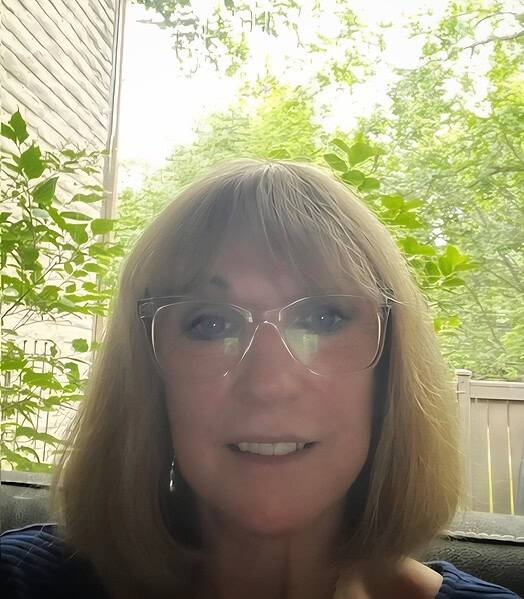
Julie Hicks, MSW, Registered Social Worker
Over 25 years of professional experience supporting individuals and couples.
Julie brings a wealth of experience in counselling, psychotherapy, crisis intervention, trauma, and relationship support.
Her approach is warm, compassionate, practical, and grounded in respect for each person's experiences and perspective.
Julie helps couples explore the patterns that contribute to conflict and disconnection while developing tools to strengthen communication, emotional attunement, and healthier relationship dynamics.
She recognizes that every relationship is unique and works collaboratively with couples to identify their goals and determine what meaningful progress might look like for them.
Julie offers both in-person appointments in Calgary and online counselling.
Start Your Healing Today | Free 15-Minute Consultation
Frequently Asked Questions About Couples Counselling
What if my partner and I disagree about what the problem is?
This is common. Partners often experience the same relationship differently.
Couples counselling provides opportunities for each person to share their perspective and develop a better understanding of the patterns contributing to difficulties.
Will the therapist take sides?
Couples counselling is intended to support a respectful and balanced therapeutic process.
The goal is not to determine a winner in disagreements, but to help partners understand their experiences, recognize unhelpful patterns, and take responsibility for their contributions to the relationship.
Can couples counselling help after infidelity?
Couples counselling may help partners explore the effects of infidelity, address trust and accountability, and determine whether and how they wish to rebuild their relationship.
The process is individualized, and reconciliation is not assumed to be the right outcome for every couple.
What if only one of us wants counselling?
It is common for partners to have different levels of readiness.
If your partner is unwilling to attend, individual counselling may still help you explore your relationship concerns, communication patterns, boundaries, and decisions.
How many sessions will we need?
The number of sessions depends on your relationship history, current concerns, goals, and the complexity of the difficulties you're experiencing.
Some couples seek focused support for particular challenges, while others benefit from longer-term work.
Your therapist will discuss your goals and review progress with you throughout the process.
Can couples counselling help when there has been abuse or intimidation?
When a relationship involves coercion, intimidation, violence, or fear, joint couples counselling may not be appropriate or safe.
An individual assessment and safety-focused support may be recommended before considering whether joint sessions are suitable.
Begin Couples Counselling in Calgary
You don't have to wait until your relationship feels beyond repair to seek support.
Whether you're struggling with communication, recurring conflict, emotional distance, trust, or a significant life transition, couples counselling can offer an opportunity to better understand one another and explore meaningful change.
At Rebecca Teebay-Webb & Associates, Julie Hicks provides experienced, compassionate couples counselling for partners seeking greater understanding, connection, and healthier relationship dynamics.
In-person couples counselling in South Calgary (Midnapore) and online appointments are available.